
Meta has introduced Muse Image, its first image generation model built in-house. Developed by Meta Superintelligence Labs, the model is available through the Meta AI app, Instagram Stories, and WhatsApp, with additional integrations planned across the company’s platforms.
Among its new features is the ability to generate AI images using photos from public Instagram accounts. The capability has quickly become the focus of discussion following the model’s release.
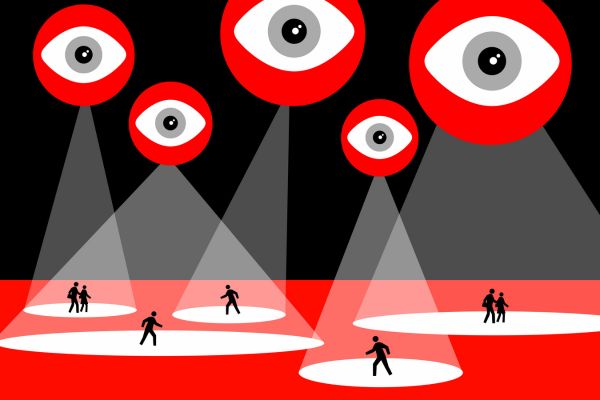
Meta says eligible users can opt out through their privacy settings, but the feature is enabled by default. That approach has prompted questions about consent and how existing social media content can be used by generative AI.
Why It Matters: AI features are creating new uses for data that organizations already have. How companies introduce those capabilities, communicate them to users, and manage privacy choices can influence regulatory attention, customer confidence, and adoption of new AI products.

- Public Photos Become AI Source Material: Users can generate AI images by tagging public Instagram accounts, allowing Muse Image to incorporate those photos into newly created content. The feature expands how publicly shared images can be used inside Meta’s ecosystem, joining image editing, Instagram Story effects, and other AI tools that interact with content users have already shared.
- Privacy Policies Don’t Always Match User Expectations: Although Meta’s policies state that public Instagram content may be used with AI features, the response to Muse Image suggests many users distinguish between making a photo publicly visible and allowing it to become part of AI-generated media. The discussion reflects the challenge of aligning published privacy policies with evolving expectations as AI capabilities expand.
- Consent Relies on an Opt-Out Model: Eligible public Instagram accounts are included by default, leaving users to disable the feature through their privacy settings if they choose. Meta also says users generally will not receive notifications when their photos are used in AI-generated images. The rollout has prompted questions about whether a new use for existing content should require users to opt in before participation.
- Muse Image Extends AI Across Meta’s Products: Beyond image generation, the model powers editing tools and AI features in the Meta AI app, Instagram Stories, and WhatsApp, with Facebook and Messenger planned to follow. Meta also intends to bring Muse Image to its Advantage+ advertising platform and has confirmed that Muse Video is already in development.
- AI Is Changing How Existing Data Is Used: The launch shows how generative AI can introduce new uses for information companies already possess. As organizations build AI into products that rely on years of customer content, existing privacy practices may need to account for capabilities that were not anticipated when that data was originally collected.
Meta’s New Muse Image Model Accepts Instagram Accounts As A Prompt -Yahoo!tech