



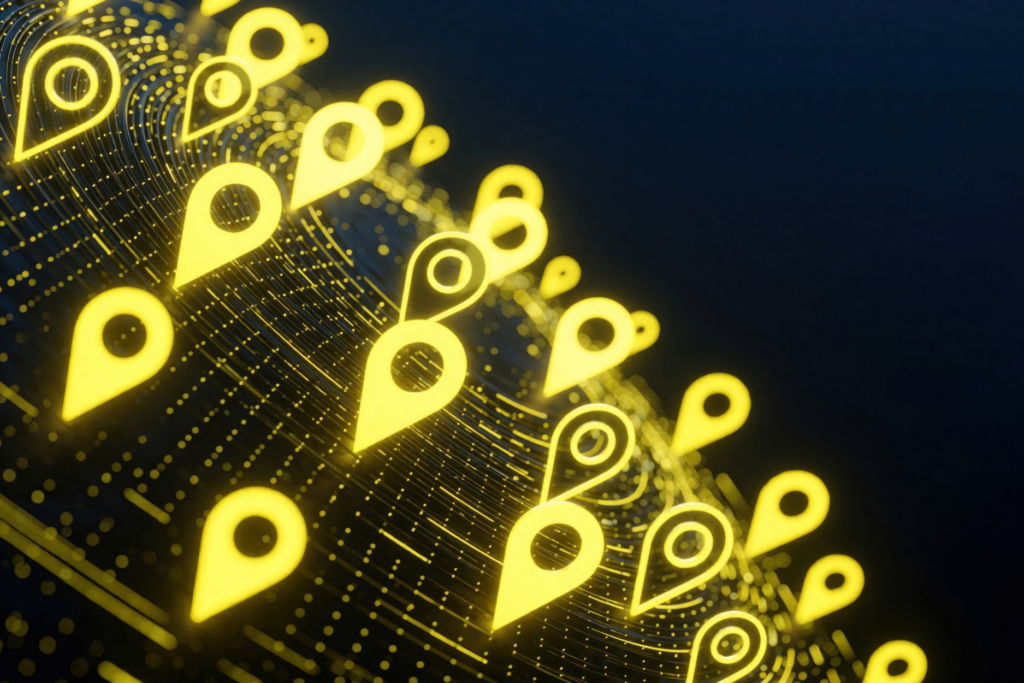
Hackers have published millions of customer records allegedly stolen from Expedia Group, potentially exposing travelers to phishing scams and account takeovers.
The release follows an October cyberattack claimed by the n0n extortion group, which alleges it stole nearly one billion records from the travel company. Researchers have since examined a portion of the published data and identified customer account information, travel records, and other personal details.
Expedia has confirmed that the incident involved a compromised third-party data provider with access to multiple companies. The company is investigating the attack and has not verified the number of records allegedly stolen.
Why It Matters: The Expedia attack exposes the potential consequences of relying on third-party providers to manage sensitive customer data. When a vendor is compromised, companies can face the financial and reputational consequences of a breach they had little control over. Determining the full extent of an exposure can also be difficult when customer information is spread across multiple systems.
- How Attackers Gained Access: Security researchers have linked the attack to a stolen vendor key associated with Qubole, a cloud data platform provider. The compromised credentials reportedly allowed hackers to access information through an existing vendor relationship. Expedia has not publicly confirmed that specific entry point.
- Nearly One Billion Records Claimed: The n0n group alleges it obtained more than 830 million loyalty program records, 333 million consumer account records, and 58 million traveler profiles. The information reportedly includes customer emails, account identifiers, loyalty membership details, and travel preferences. Expedia has not verified these figures, and it remains unclear how many individual customers may be affected.
- What Researchers Found: After attackers published more than 500MB of data, researchers found records containing customer emails, loyalty program details, traveler profiles, and fraud evaluations. The files also included around one million records related to estimated customer spending on hotels, rental cars, and other travel services. Some of the information dates back to 2011, while other records are as recent as 2025.
- Older Accounts Could Be Vulnerable: Approximately 150,000 historical consumer account records and bcrypt password hashes were identified in the leaked data. Although bcrypt makes passwords harder to crack, attackers could still attempt to recover them. Customers who created accounts years ago and have not changed their passwords may face additional risks, especially if they reused those credentials on other websites.
- Phishing and Account Takeover Risks: Criminals could use the exposed booking information and customer details to send convincing messages impersonating Expedia, hotels, or airlines. By referencing actual travel activity, these scams could trick customers into sharing passwords or financial information. Expedia maintains that its platforms are safe to use, although the full extent of the exposure remains unclear.
Russian Cyberattackers Hit Expedia—Claiming Nearly A Billion Traveler Records Exposed – Forbes