



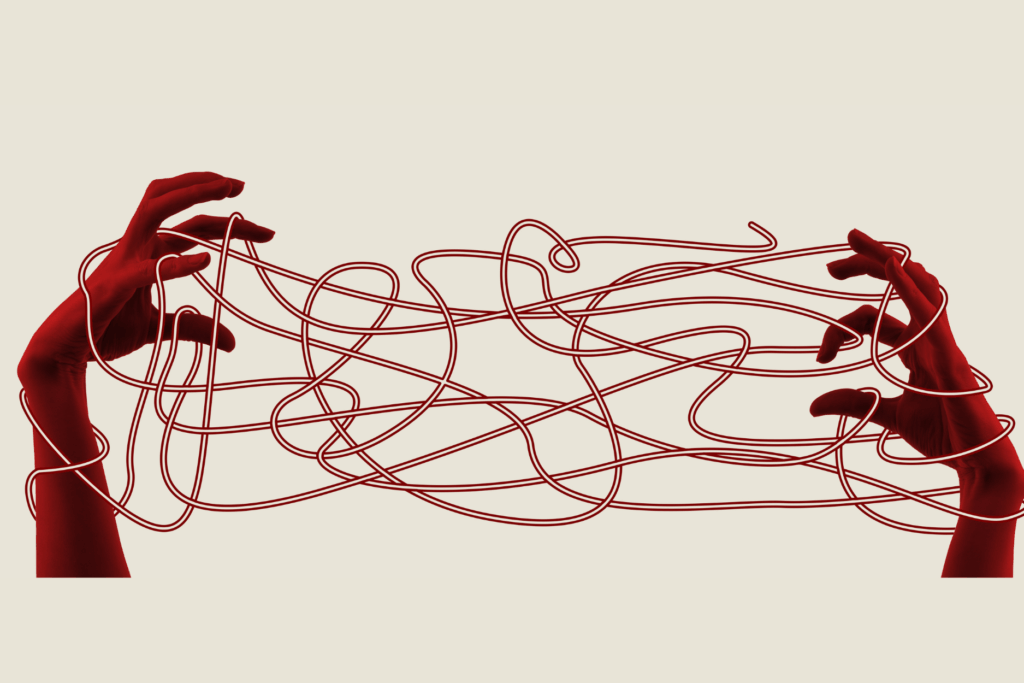
Artificial intelligence is advancing faster than governments and society are preparing for its effects, according to Bill Gates, who has become more concerned about the technology as its capabilities have improved.
In a new essay, the Microsoft co-founder warns that there is currently “no plan” for managing the disruption that could accompany AI.
His concerns center on employment and emerging safety risks, including the effect on people entering the workforce.
Gates still sees significant potential for AI, particularly in health and education. He is calling for national and international coordination to help manage the transition and has raised several policy options for addressing its economic effects.
Why It Matters: AI adoption is changing how companies approach automation, staffing and security. The possibility that capabilities could develop faster than policy and workforce planning makes decisions around deployment, employee development and oversight more important as organizations put the technology into everyday operations.
- Cognitive Work Could Face More Automation: Gates argues that AI differs from previous technological transitions because it can perform work that depends on human reasoning. Sales and customer support could see early effects, along with software engineering and legal services. AI could eventually take on tasks such as assessing loans or triaging patients, while robotics brings automation to more physical jobs.
- Younger Workers May Have Fewer Openings: Entry-level employment is one of Gates’s main concerns because AI can handle many tasks traditionally assigned to newer workers. Fewer starting roles could also affect how companies develop future talent. Research and analysis have long helped employees build the experience needed to take on greater responsibility later in their careers.
- Lower Costs Could Encourage More Adoption: Companies that use AI and robotics to reduce expenses may be able to lower prices, putting pressure on competitors to automate as well. Gates describes this as a potential “vicious cycle.” Workers could have less time to retrain or find new employment if adoption moves faster than new opportunities emerge.
- Security Risks Add to the Concern: Recent progress in AI-assisted hacking contributed to Gates becoming more cautious about the technology. He also raises concerns about biological threats, fraud, children’s well-being and advanced systems becoming difficult to control. For companies, these capabilities put more attention on who can access powerful models and how much independent authority AI systems receive.
- Governments Could Take a Larger Role: Bill Gates proposes national bodies that could coordinate policy across employment, taxation and national security, among other areas. He also wants an international organization to address risks that cross borders, taking lessons from existing systems for nuclear inspections and international aviation. Other proposals include reserving certain occupations for humans or taxing some uses of AI and robotics.
Bill Gates warns ‘there is no plan’ for the ‘upheaval’ AI will cause – CNBC