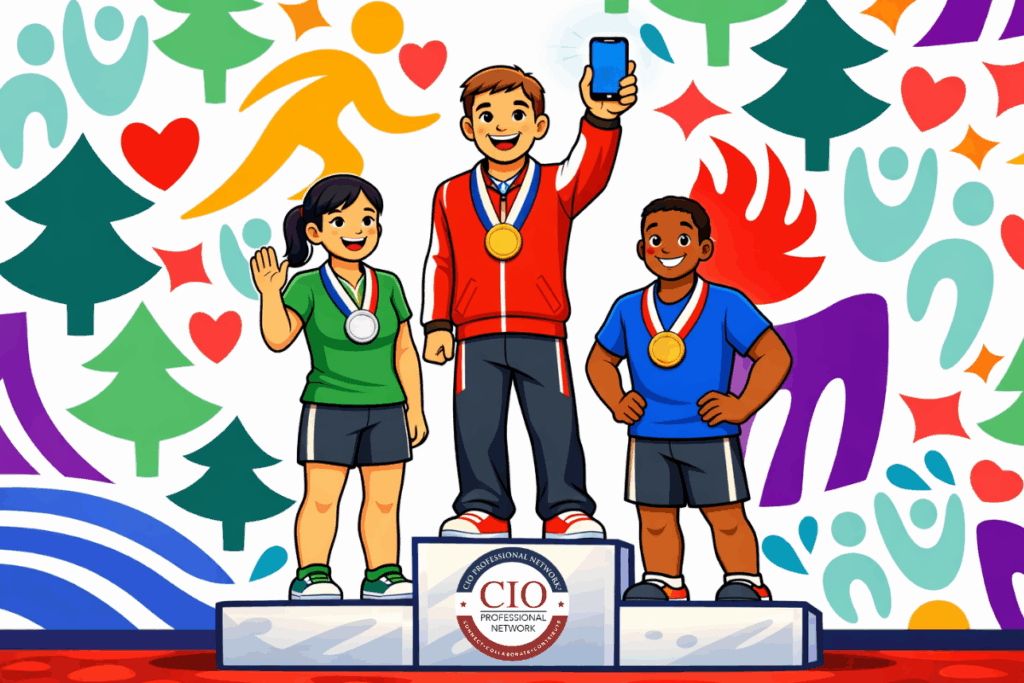
The CIO Professional Network, the private CIO, CISO, and CTO community for The National CIO Review, gathered for a Member Mastermind showcase hosted by Lonnie Snyder, sharing how the 2026 Special Olympics USA Games are using digital experience design and AI-supported functionality to support athletes, families, volunteers, coaches, and VIPs. Through a detailed walkthrough of the upcoming event app, the session explored how technology can improve logistics and support inclusion.
The discussion presented the app as a step up from just an event utility. Lonnie described it as a digital extension of the Games, built to improve access to information and create stronger connections for each participant group.
Attendees discussed persona-based UX design, digital credentials, scheduling, volunteer coordination, health services access, concierge support, AI search, and the potential reuse of the platform after the 2026 Games. Through technical examples and personal stories, the touching presentation examined how digital systems can help organizations deliver a high-quality experience when paired with a clear mission and strong partnerships.
Why It Matters: Technology leaders are often asked to improve user experience while also making operations easier to manage. This Member Mastermind demonstrated just how a well-designed digital platform can support each goal. For the 2026 Special Olympics USA Games, the app is intended to support all stakeholders while also helping people understand the mission more clearly. The takeaway was that technology delivers the most value when it streamlines operations and makes services easier to access.

- Digital-First Design Can Improve Operations and Experience: Lonnie explained that the team made a deliberate decision to make a quality digital extension of the Games first instead of treating the mobile app as a simplified version of the website. The app is designed as an experience layer for several stakeholder groups, with features tailed to each user’s role. This supports logistics such as schedules and credentials while also helping users feel more connected to the Games and the Special Olympics mission.
- Persona-Based Experiences Help Manage Event Complexity: A major theme was that different parties need different tools. Heads of delegation can view staff and athlete information to manage schedules and reduce reliance on binders full of paperwork. Coaches can track athlete itineraries and monitor health-related activities. Volunteers can view and check into shifts through the app. Families and fans can access personalized schedules and event listings with venue maps. Even VIPs receive hospitality-focused features such as concierge support and customized itineraries. All these are integrated to help organize by giving each group the resources most relevant to them in one experience.
- Mission-Driven Technology Can Do More Than Improve Convenience: Some of the powerful moments in the discussion focused on the Healthy Athletes impact connected to the Games. Lonnie shared stories of screenings identifying vision loss, dangerous ocular pressure, and other serious conditions that might otherwise have gone untreated. These examples showed that the app, outside of the sports, is meant to help communicate the life-changing work connected to the event and help more people understand the mission tied to it.
- AI Search Can Make Event Information Easier to Use: One of the newest additions to the platform is AI-powered search built with OpenAI. What began as a fuzzy search tool developed into a more advanced capability that allows users to ask natural language questions such as where an athlete is competing, what results have been posted, or how Special Olympics rules work. This type of contextual search can improve navigation and education for the events and make the overall experience to watch and learn the games easier for more participants.
- Strong Partnerships Can Expand What a Project Can Deliver: Lonnie described how the team first faced a major budget gap when development estimates came in far above expectations. After a competitive process, they selected a partner who even committed substantial additional investment to help deliver the full experience. That partnership made it possible to build features and finish the product with a level of polish that would have been difficult to achieve otherwise. He emphasized how seeking out aligned partners can help mission-focused organizations deliver results that go well past what a standard budget might support.
- Digital Systems Can Reduce Manual Work and Physical Burden: Several examples showed how the app helps physical resources and manual coordination. Administrative forms and schedules are being digitized. Volunteers can check in from their phones rather than wait at physical stations. Coaches and athletes can receive notifications and access results without relying on printed postings. Health screening workflows are also improved through appointment booking and digital tracking. These options allow the games to modernize while reducing staffing pressure and improving the user experience during a busy event setting.
- Legacy Thinking Changes How Technology Investments Are Viewed: The mastermind event emphasized that the team started with the end in mind, asking how this work could leave Minnesota and the larger Special Olympics organization in a better place. Their goal is to create a platform that can support future Games and possibly serve other organizations and venues. Interest from Special Olympics International and future host events has proven that this investment could become part of a larger “games in a box” model. For the attendees, this reinforced the value of designing systems for reuse and institutional learning.