
As the year winds down, it feels like the right moment to look at the ideas that have influenced discussions about technology, leadership, and the changing demands on modern organizations.
The books in this roundup approach these themes in different ways.
Some explore how AI is used in real work, while others examine cybersecurity and the decisions that shape team environments.
Together, they offer a useful set of perspectives for anyone curious about the forces guiding the next stage of work and society.
Making a wishlist for the new year? Jump into the roundup, and if something clicks, there are 100+ more titles on your CIO Bookshelf to explore.
Tracers in the Dark: The Global Hunt for the Crime Lords of Cryptocurrency
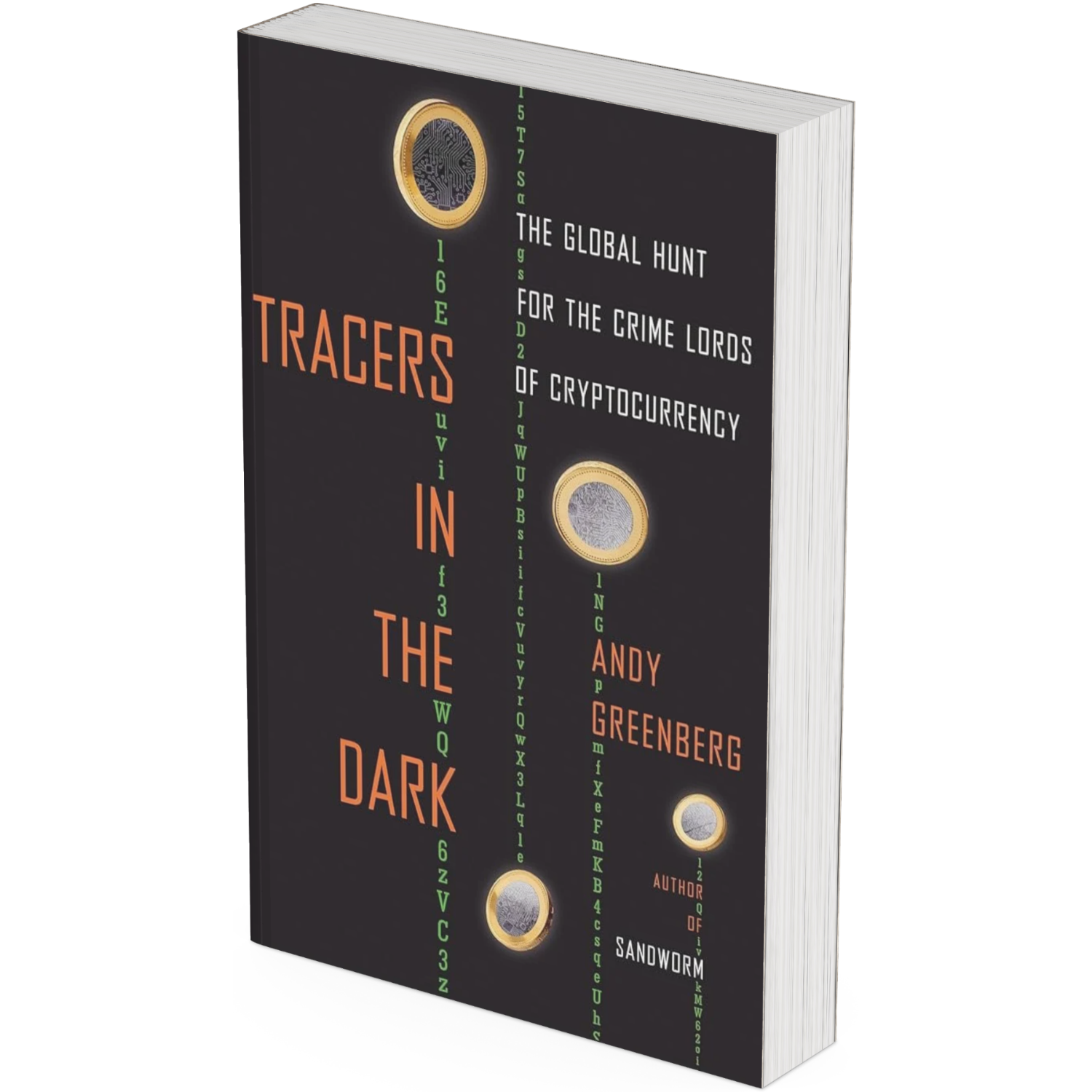
Tracers in the Dark reveals how cryptocurrency, once assumed to offer total anonymity, became a powerful tool for investigators tracking online criminal networks. Andy Greenberg follows the rise of blockchain analysis, showing how law enforcement agents and independent analysts traced seemingly invisible Bitcoin transactions to real-world identities. Through cases involving darknet markets like Silk Road and AlphaBay, he highlights the pioneers who developed early tracing techniques and reshaped expectations around digital privacy. The book demonstrates how public blockchain data enabled investigators to uncover illicit financial activity and continues to influence legal and regulatory frameworks today.
The Alignment Problem: Machine Learning and Human Values
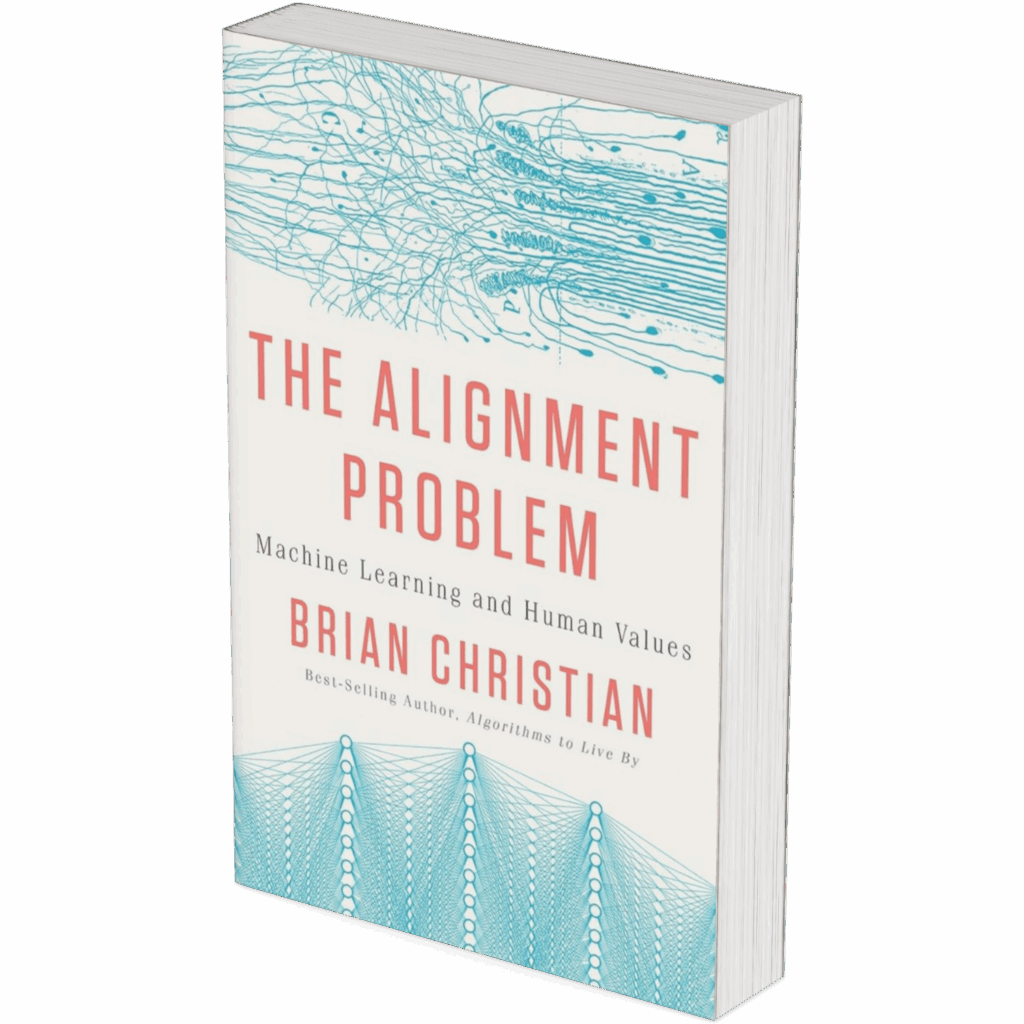
The Alignment Problem examines the widening gap between what humans intend and how machine learning systems actually behave. Brian Christian shows how AI now influences areas like criminal justice, hiring, healthcare, and autonomous vehicles, often producing biased or unintended outcomes because models learn from imperfect data rather than explicit rules. He illustrates how these failures expose deeper issues of accountability and value alignment. Christian also profiles researchers working to make AI systems more transparent and reflective of human goals, emphasizing the progress made as well as the ethical and technical challenges that remain.

Cyber Recon: My Life in Cyber Espionage and Ransomware Negotiation

Cyber Recon presents Kurtis Minder’s perspective on confronting cyber extortion and negotiating with ransomware actors. His experiences at GroupSense reveal how incidents develop and how responders interpret incomplete clues while guiding organizations under stress. Minder shows how communication with attackers changes as new information appears, and how clients react when familiar decision-making frameworks stop working. Reflections from others in the field illustrate how quickly situations can tilt in unexpected directions, exposing the human factors that influence every stage of a cyber crisis.
The Singularity Is Nearer: When We Merge with AI
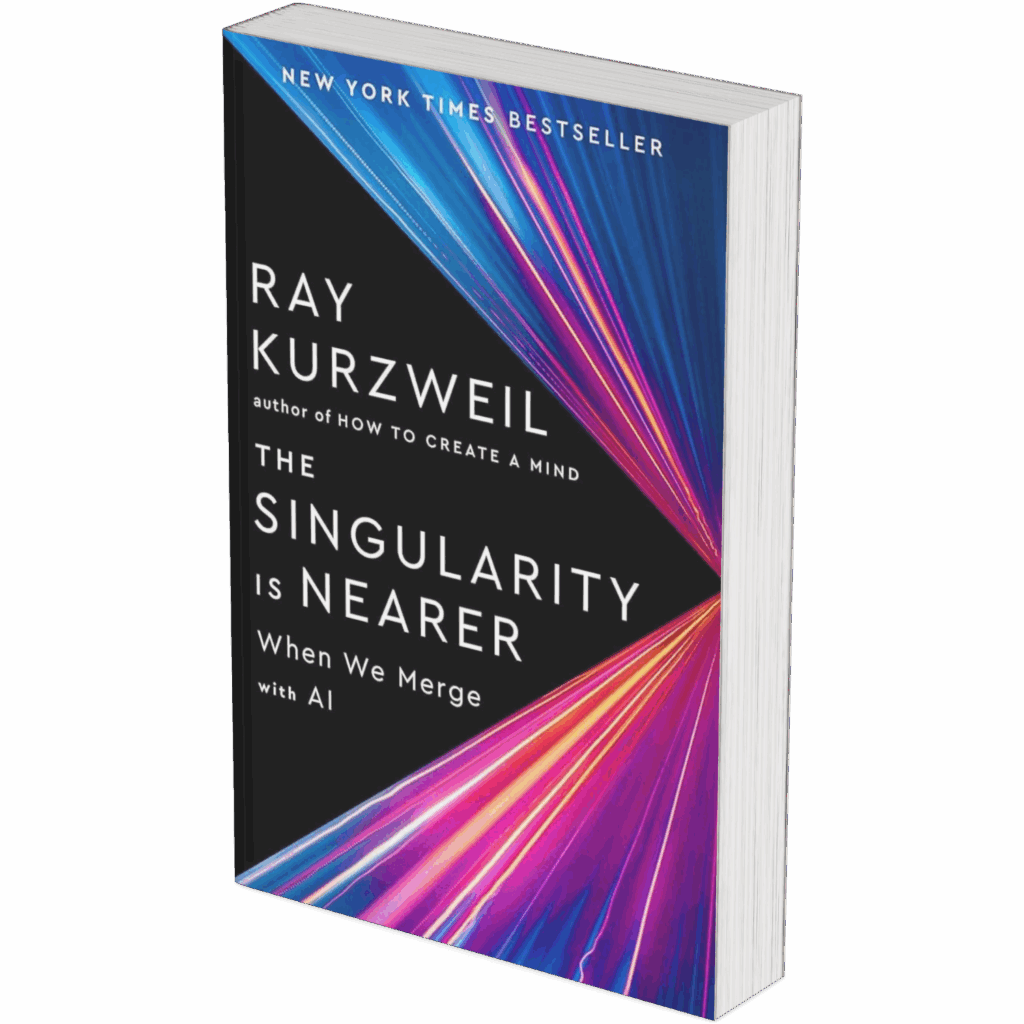
The Singularity Is Nearer returns to Ray Kurzweil’s earlier predictions about artificial intelligence and examines how present-day developments compare with the expectations he set. Kurzweil points to progress in several scientific and technical domains that is now influencing medical practice, industrial processes, education, and everyday communication. He describes work that links neural activity with digital tools and technologies designed to function within living tissue, using both to suggest where future capabilities may lead. The book also considers how autonomy, labor conditions, safety risks, and the handling of personal data may change as these systems become more widely used.
The High 5 Habit: Take Control of Your Life with One Simple Habit
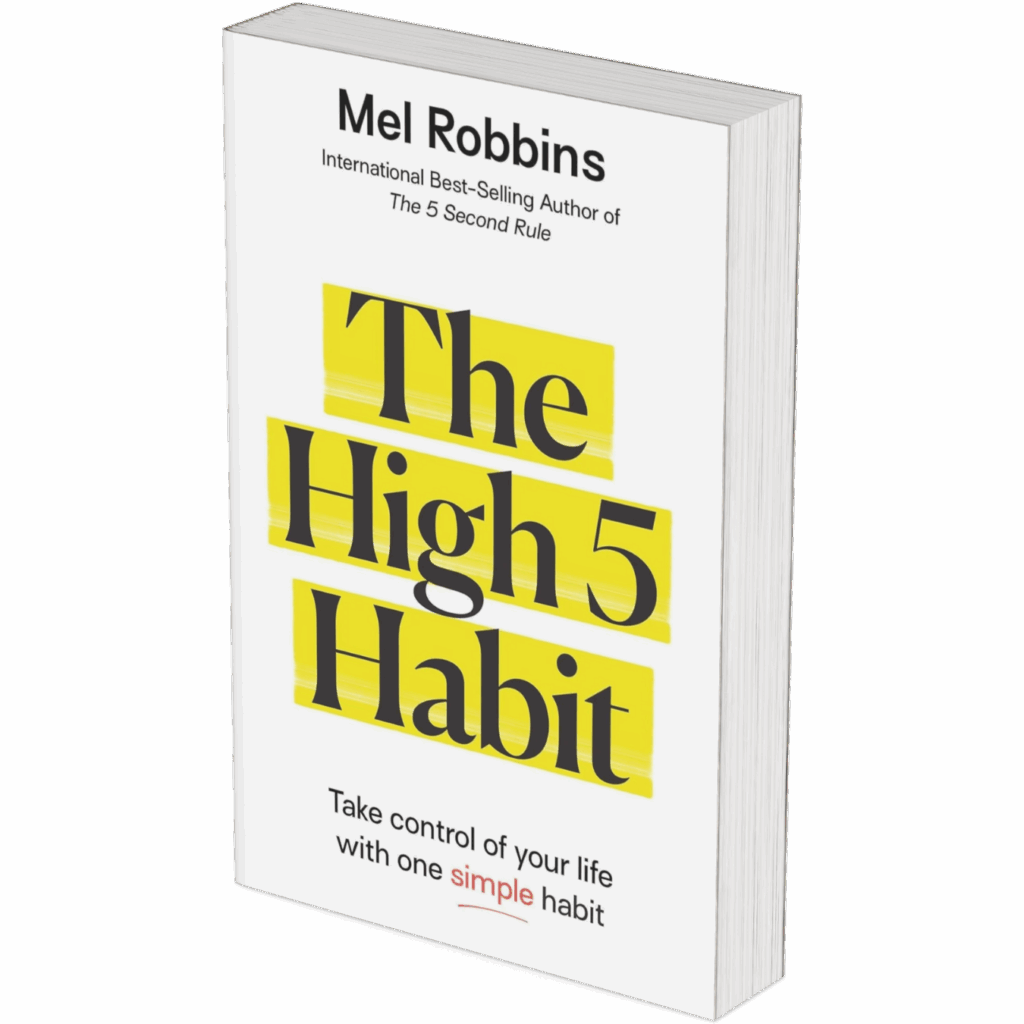
The High 5 Habit introduces Mel Robbins’s idea of using a simple daily gesture of high-fiving your reflection to shift the tone of your internal dialogue. Using psychological and neurological research, she explains how this practice interrupts familiar patterns of self-criticism and supports a more encouraging mindset. Robbins discusses how many people carry a sense of doubt that influences choices and energy. The habit functions as a small, repeatable ritual that helps readers build a more steady and respectful relationship with themselves over time.
Genesis: Artificial Intelligence, Hope, and the Human Spirit
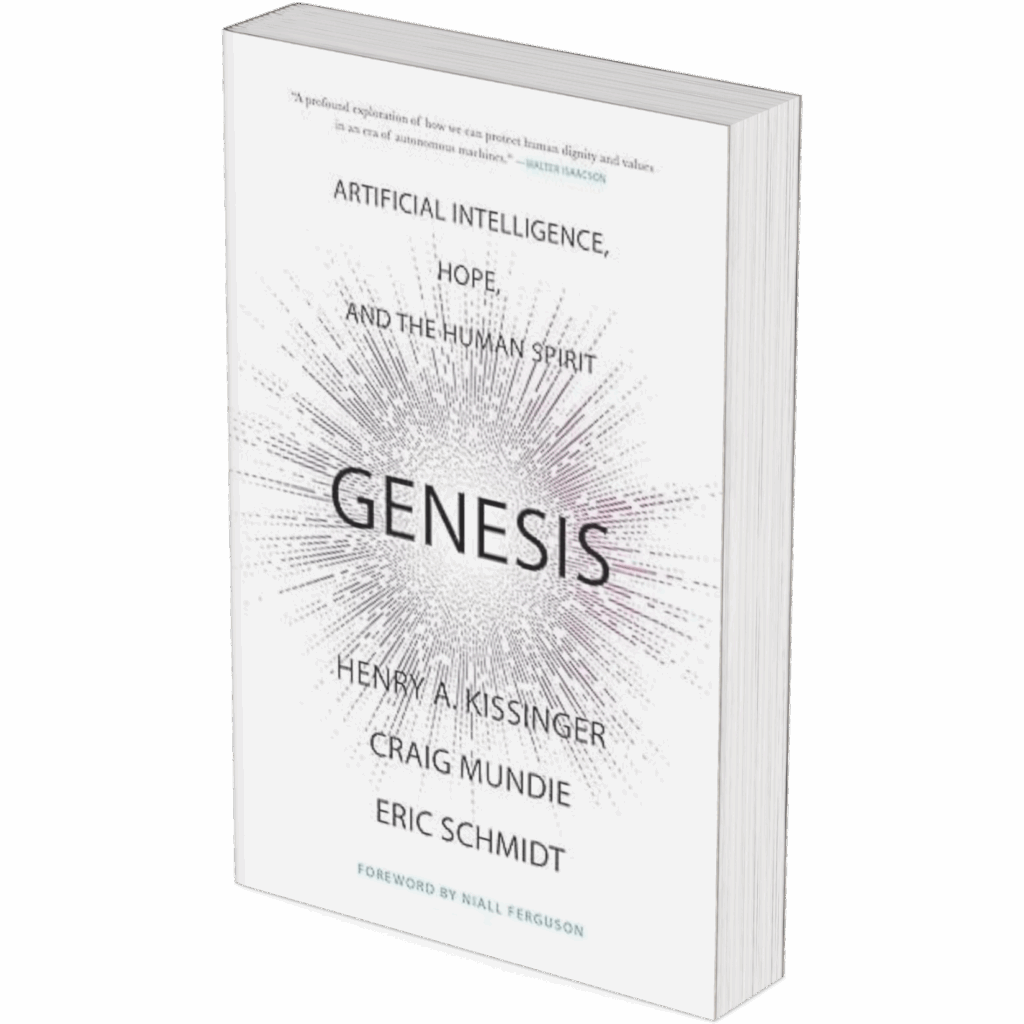
Genesis considers how artificial intelligence is altering long-held assumptions about knowledge and institutional decision-making. Henry Kissinger, Eric Schmidt, and Craig Mundie describe systems that generate conclusions without clear paths of explanation, creating tension for organizations that must rely on results they cannot fully interpret. As this reliance grows, traditional forms of oversight become harder to sustain. The authors also look at on how education and scientific inquiry may evolve when machine reasoning influences what counts as understanding. The book invites readers to think about how people and institutions might function within this new intellectual landscape.

Rewiring Democracy: How AI Will Transform Our Politics, Government, and Citizenship
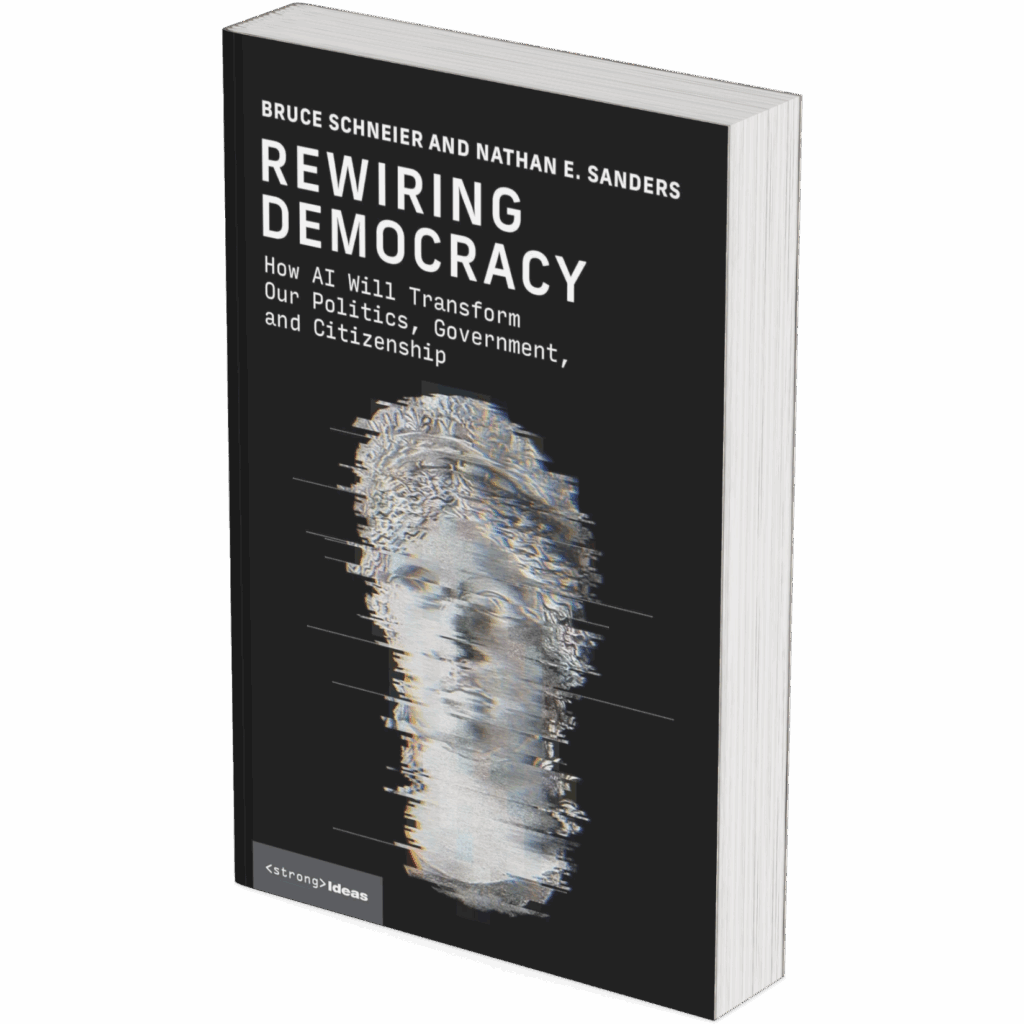
Rewiring Democracy examines how artificial intelligence is changing the way democratic institutions operate. Bruce Schneier and Nathan E. Sanders describe how algorithmic tools influence legislation, enforcement, and legal interpretation, altering the pace and character of governmental work. They show how automated systems can redirect authority inside public institutions and complicate traditional oversight. The authors argue that meaningful public involvement is necessary to prevent decision-making from becoming dominated by technical systems that few people understand. The book considers how democratic norms can be maintained as governments incorporate AI into routine processes and high-stakes policy decisions.
Co-Intelligence: Living and Working with AI
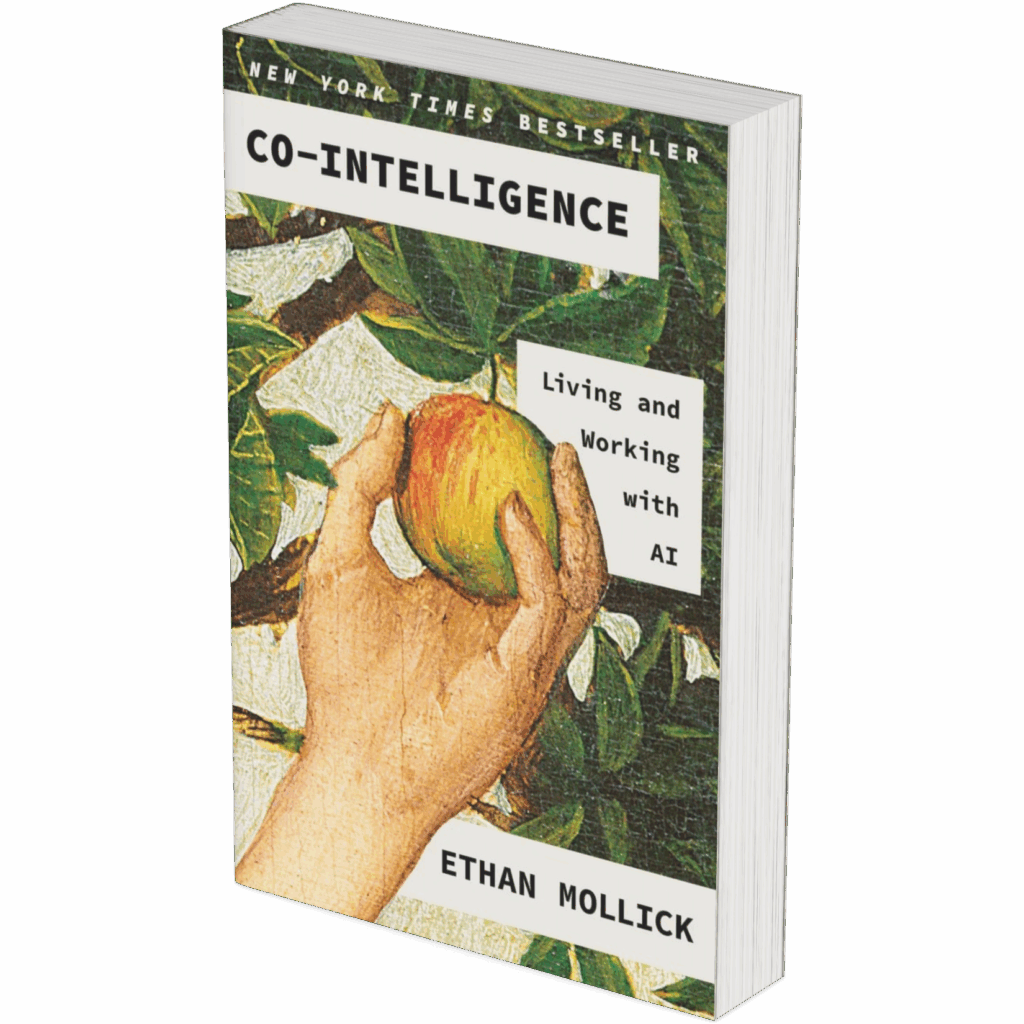
Co-Intelligence presents Ethan Mollick’s view of artificial intelligence as a collaborator that can influence how people reason through problems and carry out important work. He describes a model in which human judgment interacts with machine output in ways that can redirect projects, reveal possibilities, or clarify decisions. The book also emphasizes the need to question AI-generated material and avoid relying on automated systems without scrutiny. Mollick frames AI as a tool that rewards exploration and steady practice, encouraging readers to develop the confidence and adaptability needed to use it responsibly.
The Four: The Hidden DNA of Amazon, Apple, Facebook, and Google
The Four explores how Amazon, Apple, Facebook, and Google became embedded in modern life and gained authority over the digital landscape. Scott Galloway describes how each company cultivated loyalty by aligning its products with powerful human impulses, which helped them entrench themselves in everyday routines. He examines the ways these firms use data and market position to maintain relevance and influence. The book also considers the social and economic consequences of their reach, raising concerns about privacy, competition, and dependence on their platforms.
Team Topologies: Organizing Business and Technology Teams for Fast Flow
Team Topologies introduces an approach to organizing software teams that links team structure with system health and overall delivery performance. Matthew Skelton and Manuel Pais argue that teams work more effectively when their responsibilities and interaction patterns are intentionally shaped to match the software they support. The framework outlines several team configurations that help reduce coordination burdens and prevent cognitive overload, which allows work to progress more steadily. The book shows how unclear ownership can create delivery obstacles and how deliberate team design can produce more reliable systems and a more adaptable engineering environment.
The National CIO Review® is a proud supporter of Bookshop.org which connects readers with independent booksellers all over the world. We believe local bookstores are essential community hubs that foster culture, curiosity, and a love of reading, and we’re committed to helping them thrive. Every purchase at Bookshop.org financially supports independent bookstores.