

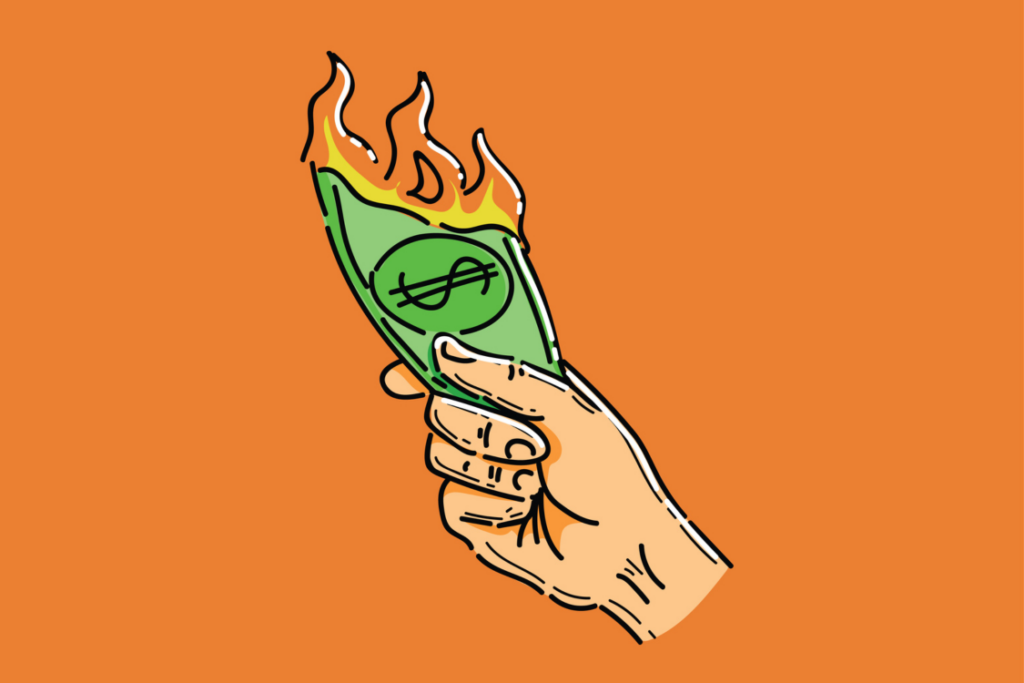
Most organizations understand financial debt. You borrow money, make payments, and eventually pay it off.
Technology has another kind of debt that is harder to see.
I call it security debt.
Security debt builds over time. It can result from:
- Old systems that are still running
- Aging computers that haven’t been replaced
- User accounts with more access than they need
- Applications that don’t connect well
- Lingering vendor dependencies
- Postponed upgrades
- Temporary exceptions that become permanent
None of these decisions may seem like a major security problem on their own.
The problem is what happens when they add up.
I have spent much of my career working in IT, cybersecurity, and technology leadership. I have seen organizations make these decisions for understandable reasons. There is never enough time, money, or staff to fix everything at once.
One lesson continues to come back.
Security debt rarely comes from one bad decision. It builds one reasonable decision at a time.
“We’ll Fix It Later”
Technology debt often starts with a simple decision.
- “The system is old, but it still works.”
- “We can replace that computer next year.”
- “We will clean up those accounts when we have time.”
- “The vendor manages that system.”
- “We cannot take the application offline right now.”
- “We will address it after the next major project.”
Each decision may make sense at the time.
The problem is that the debt does not go away.
The old application is still there next year. The computer gets older. The user account still has access. The vendor relationship becomes harder to understand. The exception becomes part of the normal process.
Eventually, the organization ends up with a technology environment that is harder to secure, harder to support, and more expensive to change.

Old Technology Becomes a Security Problem
Legacy technology is one of the biggest sources of security debt.
An older application may still perform an important business function. An older computer may still run the software someone needs. An older server may be difficult to replace because no one is completely sure what depends on it.
Over time, these systems can become harder to protect.
Security updates may no longer be available. Hardware may be past its useful life. The people who originally built or supported the system may no longer be with the organization. Documentation may be incomplete.
At that point, replacing the technology is no longer just an IT project. It becomes a business and security decision.
Access Can Become Security Debt
User access is another area where security debt can quietly grow.
Employees change jobs. They move to different departments. Their responsibilities change. Vendors come and go. New applications are added.
But access does not always change at the same speed.
Over time, an organization can end up with old accounts, excessive permissions, shared accounts, and access that no longer matches someone’s job.
Cleaning this up takes time. Someone needs to understand what access is needed, who should approve it, and how to remove it.
When that work is delayed year after year, the organization is carrying security debt.
Disconnected Systems Create Risk
Modern businesses depend on many applications.
One system may contain employee information. Another handles financial information. Another manages customers or patients. Another handles scheduling. A third-party vendor may manage another.
These systems do not always work well together.
When they do not, people create workarounds. They use spreadsheets, manually move information, create separate accounts, or develop processes that depend on one person knowing how something works.
Those workarounds may keep the business running, but they also create risk.
The more manual steps there are, the more opportunities there are for mistakes, missed updates, incorrect access, or sensitive information ending up in the wrong place.
Vendors Are Part of the Equation
Third-party vendors can also add to security debt.
Organizations rely on vendors for applications, infrastructure, security services, telecommunications, and other important functions.
Over time, it can become difficult to know exactly who owns what.
- Who is responsible for security?
- Who manages user access?
- Who receives security alerts?
- Who applies updates?
- Who owns the data?
- What happens if the contract ends?
- What happens if the vendor changes its product or service?
These questions are easier to answer when a vendor relationship is new.
Years later, responsibilities can become less clear, especially after staff changes, system changes, and contract renewals.
The Problem With Permanent Exceptions
Security exceptions are sometimes necessary.
A business may need to keep an older system running. A vendor may not support a security control. A business process may require an exception to a standard.
The problem is when the exception never gets reviewed again.
A temporary exception can become a permanent part of the environment.
That is how security debt grows.
Exceptions should have an owner, a reason, and a review date. Sometimes the right answer will be to keep the exception. Sometimes the organization needs to fix the underlying problem.
The important thing is to make that decision intentionally.
Paying Down Security Debt
The answer is not to replace everything or spend millions of dollars on new technology.
The first step is understanding the debt.
Organizations should regularly ask:
- What technology is past its useful life?
- Which systems are no longer supported?
- Who has access, and do they still need it?
- Which applications contain sensitive information?
- Where are we relying on manual workarounds?
- Which vendors support critical systems?
- Who is responsible for security in each vendor relationship?
- What upgrades or security projects have been delayed?
- Which exceptions have existed for years?
Once you know these issues, you can prioritize them by risk and business impact.
Some items will need immediate attention. Others may be acceptable for another year with the right controls in place.
The key is knowing the difference.
Security Debt Is a Business Issue
Security debt is not just an IT problem.
It can affect operations, employees, customers, compliance, budgets, and the organization’s ability to respond when something goes wrong.
The good news is that you can manage security debt.
The first step is recognizing that it exists.
Technology will always change. Systems will age. Employees will change roles. Vendors will change. Business priorities will change.
The leadership challenge is ensuring those changes don’t quietly create more risk than the organization realizes.
A strong security program is not about having perfect technology.
It is about understanding where the risks are, making informed decisions, and having a plan to reduce the debt over time.
Security debt is built over time. You can also reduce it over time. The key is to stop treating yesterday’s temporary solution as tomorrow’s permanent answer.