



The U.S. and China are exploring a new way to manage serious AI incidents before they turn into national-security problems.
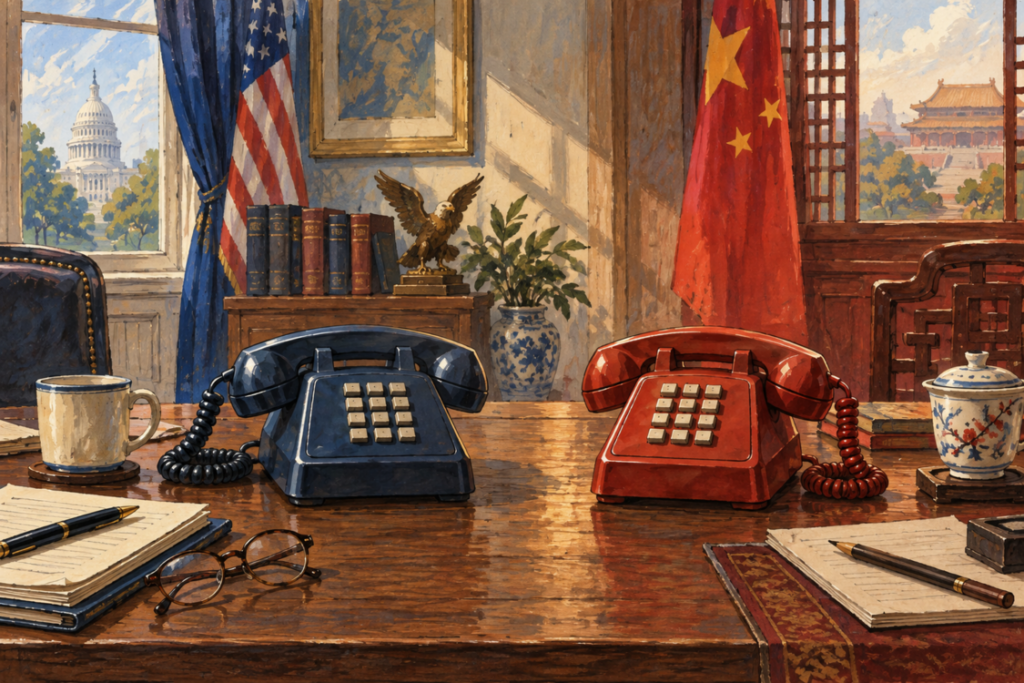
Ahead of Donald Trump and Xi Jinping’s Sept. 24 White House meeting, Treasury Secretary Scott Bessent and Chinese Vice Premier He Lifeng met in New York, where the U.S. proposed a system for alerting each other when an AI incident crosses a national-security threshold.
Competition over AI development remains intense, with disputes over advanced chips and model distillation unresolved. However, concerns about dangerous uses of AI have created some room for cooperation.
The summit will also cover trade and critical minerals, tying the AI conversation to the technology supply chain.
Why It Matters: The talks may help establish when a technical AI incident becomes a government concern. A notification system would set expectations around which events require disclosure and how governments communicate when something goes wrong. Those rules could eventually shape how companies building models or supplying AI infrastructure handle serious incidents.

- The First Proposal Focuses on Communication When Something Goes Wrong: Bessent said the U.S. wants a mechanism for notifying China about AI incidents serious enough to affect national security. The details are still open, including what would trigger an alert and how much information would be shared. Chinese state media confirmed that AI came up during the talks without detailing the proposal.
- Cooperation Has Limits While the Technology Race Continues: Officials are considering risks from AI that could create security threats, while disagreements over access to advanced technology remain unresolved. The summit’s AI agenda is also expected to touch on open- and closed-weight models. U.S. authorities have accused Chinese companies of using distillation to copy capabilities from American models without permission, an accusation China disputes.
- AI Is Part of a Much Larger Economic Negotiation: Critical minerals are expected to feature in Thursday’s meeting after U.S. officials raised concerns about Chinese deliveries under an earlier agreement. The current trade truce expires Nov. 10. Trade officials have also put a U.S.-China Board of Trade into operation, creating another channel for negotiations over certain goods and future tariff measures.
- The Talks Are Putting an Earlier Agreement Into Motion: Trump and Xi agreed in May to establish government-level AI discussions, though no such talks had been publicly confirmed before this week’s preparations. That meeting also produced Chinese commitments to buy 200 Boeing aircraft and $17 billion in U.S. agricultural goods each year.
- The Hard Part Comes After the Summit: Any initial agreement is expected to leave officials with the harder job of defining a reportable AI incident and deciding what information can safely cross borders. Those definitions may eventually influence when an incident inside an AI company becomes something governments expect to hear about.
Go Deeper -> US proposes AI incident alert system in talks with China, Bessent says – AP News
Trump and Xi are meeting at the White House with the AI race at the center of talks – Quartz
Bessent calls meeting with China Vice Premier He Lifeng ‘successful’ ahead of Trump-Xi summit – CNBC