
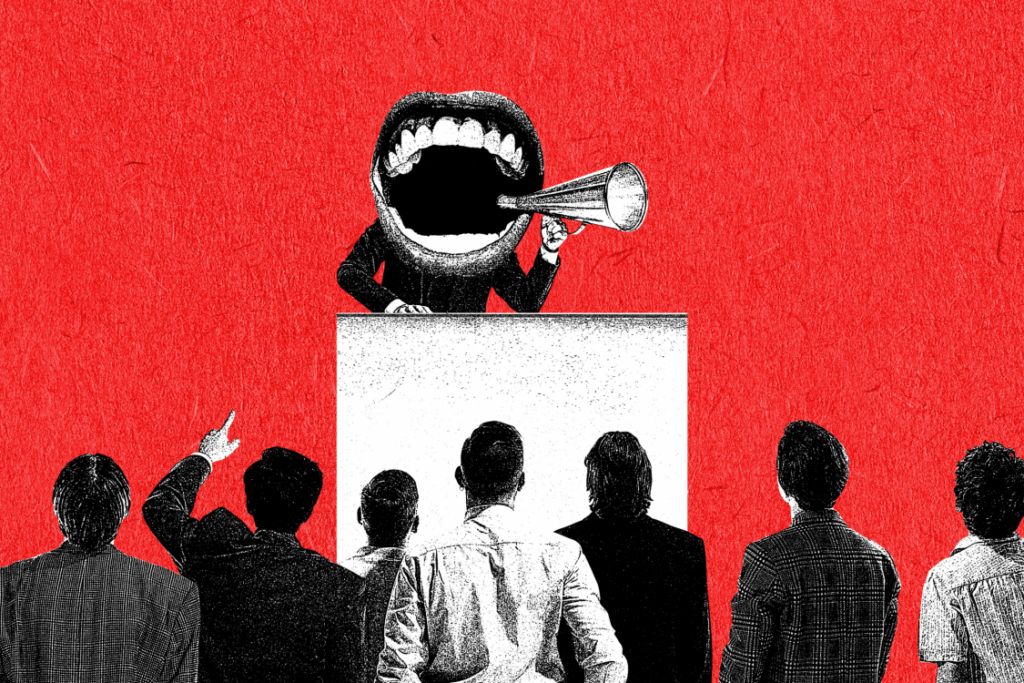
Fast-moving companies depend on leaders willing to make decisions with incomplete information and challenge established ways of working, even if their approach creates friction.
That tension can shape how a leader is perceived, turning decisiveness into a reputation for being “too aggressive” or “controlling.”
The “evaluation trap” begins when organizations treat that reputation as evidence that the person needs to change. If the diagnosis is wrong, companies can end up fixing the leader while leaving the real problem untouched.
Why It Matters: Technology companies often expect leadership styles to adapt when responsibilities change. Misreading the source of friction can push effective people out while leaving the underlying organizational problem untouched. The result can be a culture that rewards leaders who create less tension, even when that tension comes from challenging habits that hold the company back.

- Four Sources of Leadership Friction: A leader may lack a needed skill, or an old reputation may continue to shape how others see them. A proven strength can also become limiting in a new role. In some cases, the organization creates the friction through its culture, incentives, or ways of working. Identifying the source matters because each problem calls for a different response.
- The Skill Gap Trap: Leadership evaluations tend to focus on visible behavior, making the individual an easy explanation for poor outcomes. A true capability issue should appear consistently across settings and be supported by recent firsthand examples. The leader should also be unable to demonstrate the capability elsewhere. Yet genuine skill deficits appear to account for a minority of senior-level cases, despite often becoming the default diagnosis.
- Reputation Outlives Reality: “Organizational drift” occurs when old impressions continue influencing current talent decisions. Stakeholders may repeat feedback based on interactions from years earlier or rely on secondhand accounts. A leader can respond to criticism without seeing any change in how the organization evaluates them. Promotion decisions can then depend on organizational memory instead of current performance.
- The Limits of a Proven Strength: Decisiveness that once drove results may start to feel controlling once responsibilities expand, especially if the organization makes it difficult to adjust. A leader asked to delegate may lack the team needed to do so, while pressure for short-term output can work against long-term thinking. Looking at the role and the conditions surrounding it can reveal whether the friction comes from how a strength is being used or from the organization itself.
- Diagnose Before Trying to Fix: Broad labels such as “too aggressive” should be replaced with specific examples from people who directly experienced the behavior. Checking whether those experiences occurred within the past six months can expose outdated perceptions. From there, evaluators can identify the source of the friction and assign accountability accordingly. Getting the diagnosis right shapes who gets developed, promoted, retained, and rewarded.
Go Deeper -> Why Effective Leaders Get Branded as Problems – Harvard Business Review