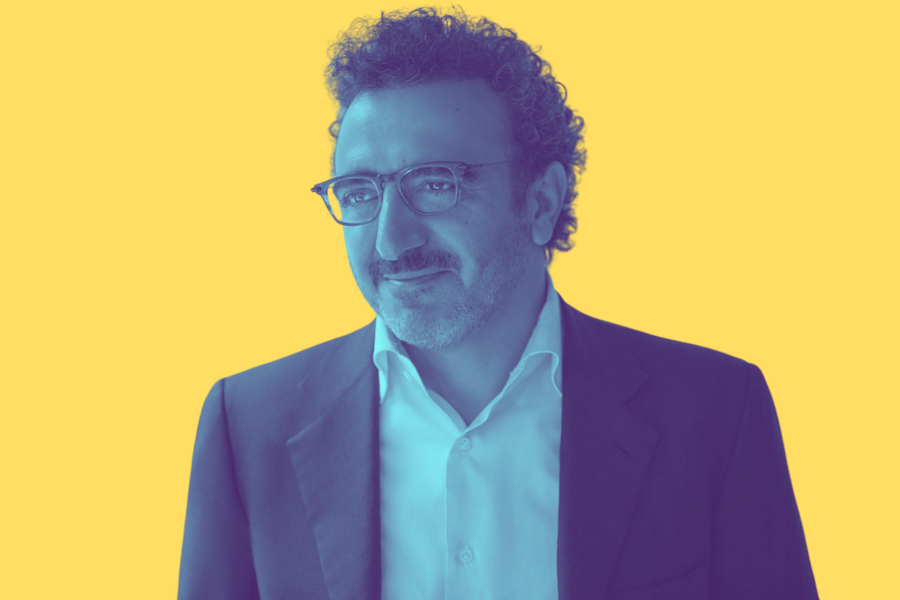
In January 2005, Hamdi Ulukaya received a flyer advertising an old yogurt factory for sale in upstate New York. The plant was 85 years old and scheduled for closure by a global food company that had decided to stop operating it.
When Ulukaya arrived, 55 workers were dismantling the factory where many had spent most of their working lives. The work continued with care and attention, guided by habits formed over decades. Equipment was removed methodically, and the atmosphere remained calm as the building was taken apart.
The decision to close the factory had been made by leadership groups removed from daily operations, and the evaluation relied on financial measurements that excluded accumulated experience and continuity of work.
What remained striking to Ulukaya was the conduct of the employees.
Tasks were completed with discipline, and pride in the work remained visible throughout the process. The factory was being dismantled with the same care that once sustained it.
Situations like this emerge when decision-making grows distant from execution, and the people responsible for the work become less visible within evaluation systems.
Beginning with the Building
After purchasing the factory, Ulukaya focused first on repainting the exterior walls.
The work required shared effort over time, which allowed familiarity to return and conversations to resume. Confidence followed gradually as the building began to look cared for again.
Former employees returned to repair equipment and restore processes they already understood. Improvements took place through steady attention, and the factory recovered through daily effort.
A new yogurt product later entered the market from that site, and demand increased steadily. Hiring resumed, and the factory regained a working rhythm within the town.

Ownership and Responsibility
Ulukaya later shared equity with employees, which changed how responsibility was carried across the organization. Ownership encouraged careful decision-making, and attention remained close to daily operations.
That change influenced how work was approached across the company, including:
- How decisions were made near the work.
- How quality was maintained during daily operations.
- How long-term outcomes were considered.
As growth continued, Ulukaya led expansion into a rural region that offered limited incentives.
Local workers were trained during construction through partnerships with nearby educational institutions. Skills were developed before production began, allowing operations to start with a prepared workforce.
Listening and Accountability
During the early years, customer calls reached Ulukaya directly, and responses were handled without layers of separation.
Questions, complaints, and suggestions were received in real time, which kept attention focused on how the product was being experienced.
That access shaped how decisions were made inside the company.
Patterns in feedback led to adjustments in process and packaging, and responsibility stayed close to the outcome. Trust developed through steady follow-through as customers saw their concerns addressed over time.
What the Factory Held
The factory contained more than machinery and square footage. Experience, pride, and commitment had formed through years of shared work.
When responsibility and time were restored, those qualities returned to daily operations.
Repainting the walls marked the beginning of the rebuilding process, and the progress that followed came from people who already understood how the place functioned.
The lesson extends beyond one factory, as organizations endure when decisions remain connected to the work and the people responsible for it.